Presenter Blog
Graham Norton Wins Deepfake Court Case
Amanda · 22/06/2026

Popular broadcaster and television presenter Graham Norton has won an important legal victory in the United States that could have wider implications for victims of fake news and AI-generated content.
Norton successfully asked a court in California to order Meta, the parent company of Facebook, Instagram and Threads, to hand over information that could identify the person responsible for a Facebook page known as Westminster Wire.
According to court documents, the anonymous page repeatedly published completely false stories about Graham Norton, including claims that his elderly mother had died, that he himself was seriously ill, and even fake AI-generated images alongside fabricated quotes suggesting he had expressed racist or deeply offensive opinions.
Norton told the court that the situation had become deeply upsetting, explaining that his 94-year-old mother had seen reports of her own death on Facebook.
He also said friends had contacted him after reading false reports claiming both he and his husband, Jonathan McLeod, had been hospitalised.
The presenter stressed that none of the stories were true, adding that his professional reputation is one of the most valuable parts of his career.
Meta’s own policies state that deceptive AI-generated content and misinformation should either be labelled or removed, and accounts repeatedly spreading false information can be suspended.
With the court now ordering Meta to provide information about the anonymous account, Graham Norton hopes to identify whoever is behind the posts so he can begin legal proceedings in the UK to stop what he describes as an ongoing campaign of harassment.
The case also shines a spotlight on a growing issue facing many public figures — and increasingly, ordinary people too.
As artificial intelligence becomes more sophisticated, fake images, fake videos and false stories are becoming harder to identify, raising serious questions about online safety, accountability and how social media platforms deal with misinformation.
For many people, this case isn’t just about Graham Norton.
It’s about protecting truth, protecting reputations, and ensuring that technology isn’t used to deliberately harm innocent people.
More presenter blog entries
 THE BIG FABULOUS ANTHEMS SHOW
17/08/2026
THE BIG FABULOUS ANTHEMS SHOW
17/08/2026
 The Chair Is No Longer Mine
14/08/2026
The Chair Is No Longer Mine
14/08/2026
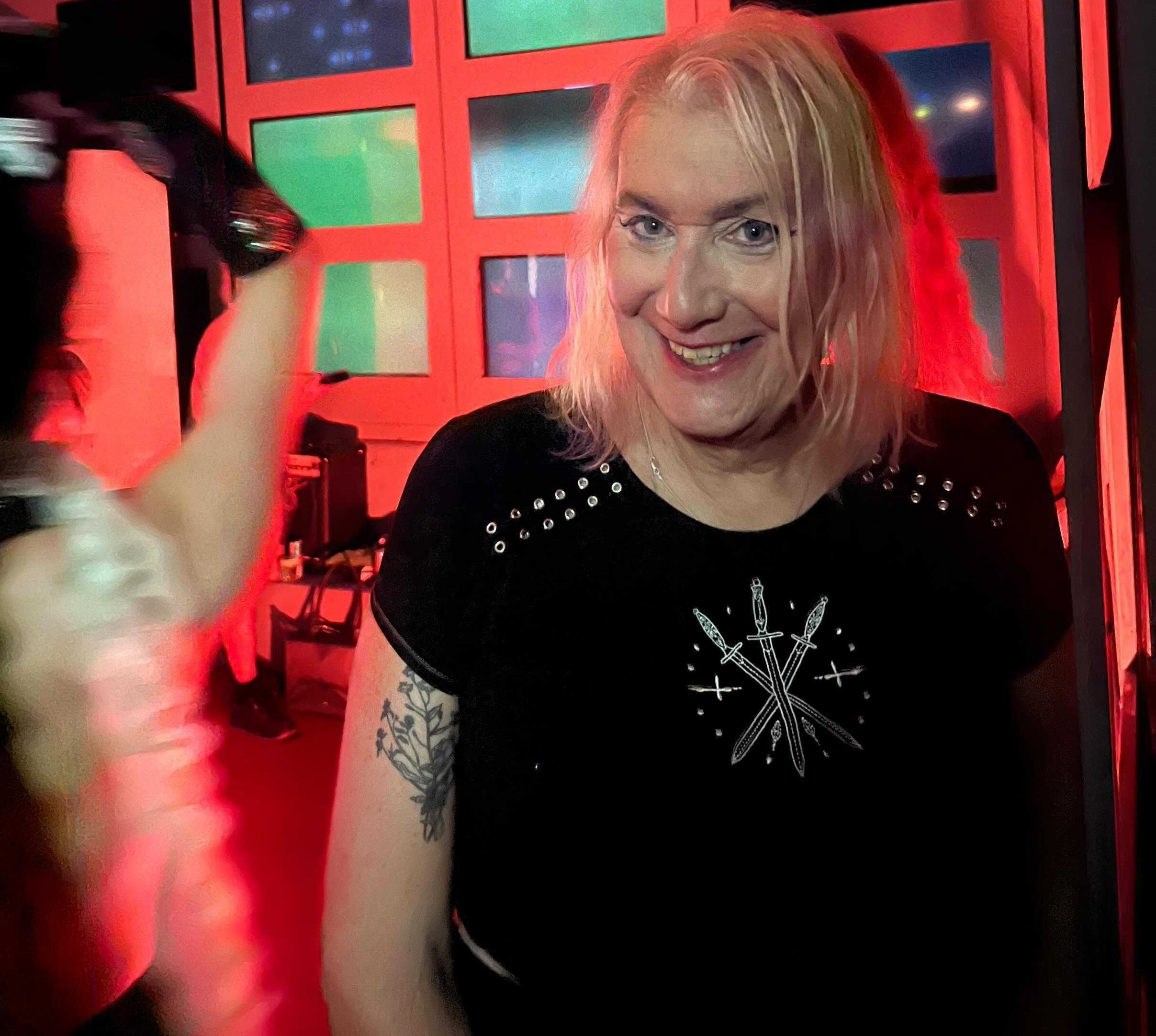 I came out as transgender twice in the same year.
14/08/2026
I came out as transgender twice in the same year.
14/08/2026
 We Are Stronger Together Than We Realise
14/08/2026
We Are Stronger Together Than We Realise
14/08/2026
 Public single-sex spaces
06/08/2026
Public single-sex spaces
06/08/2026
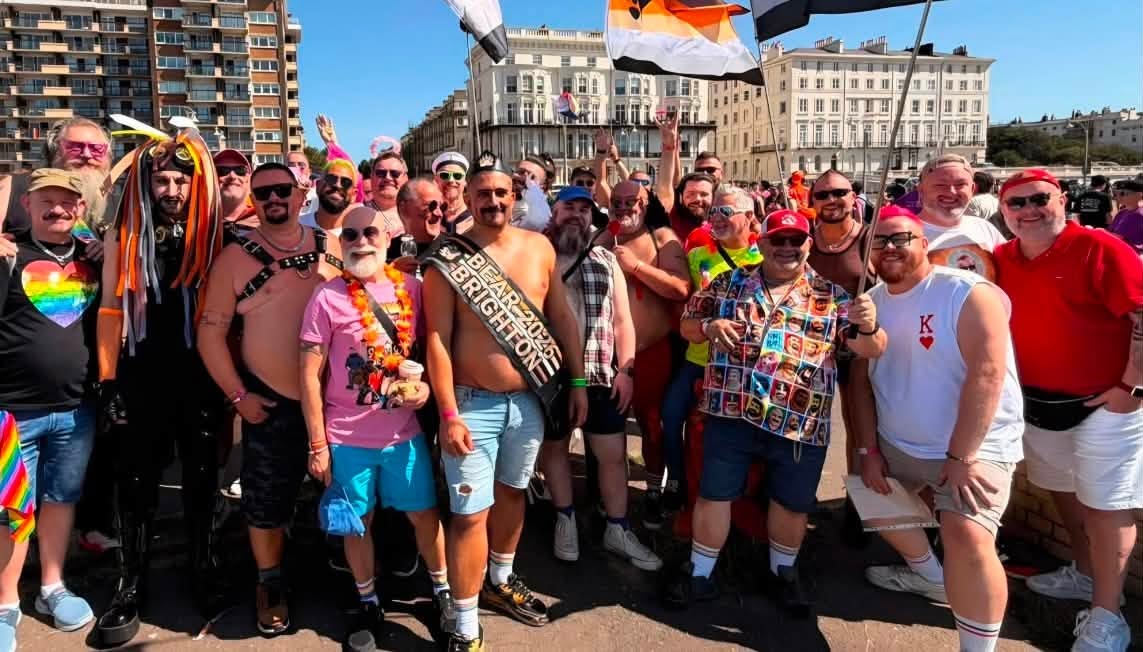 Brighton Pride 2026
03/08/2026
Brighton Pride 2026
03/08/2026
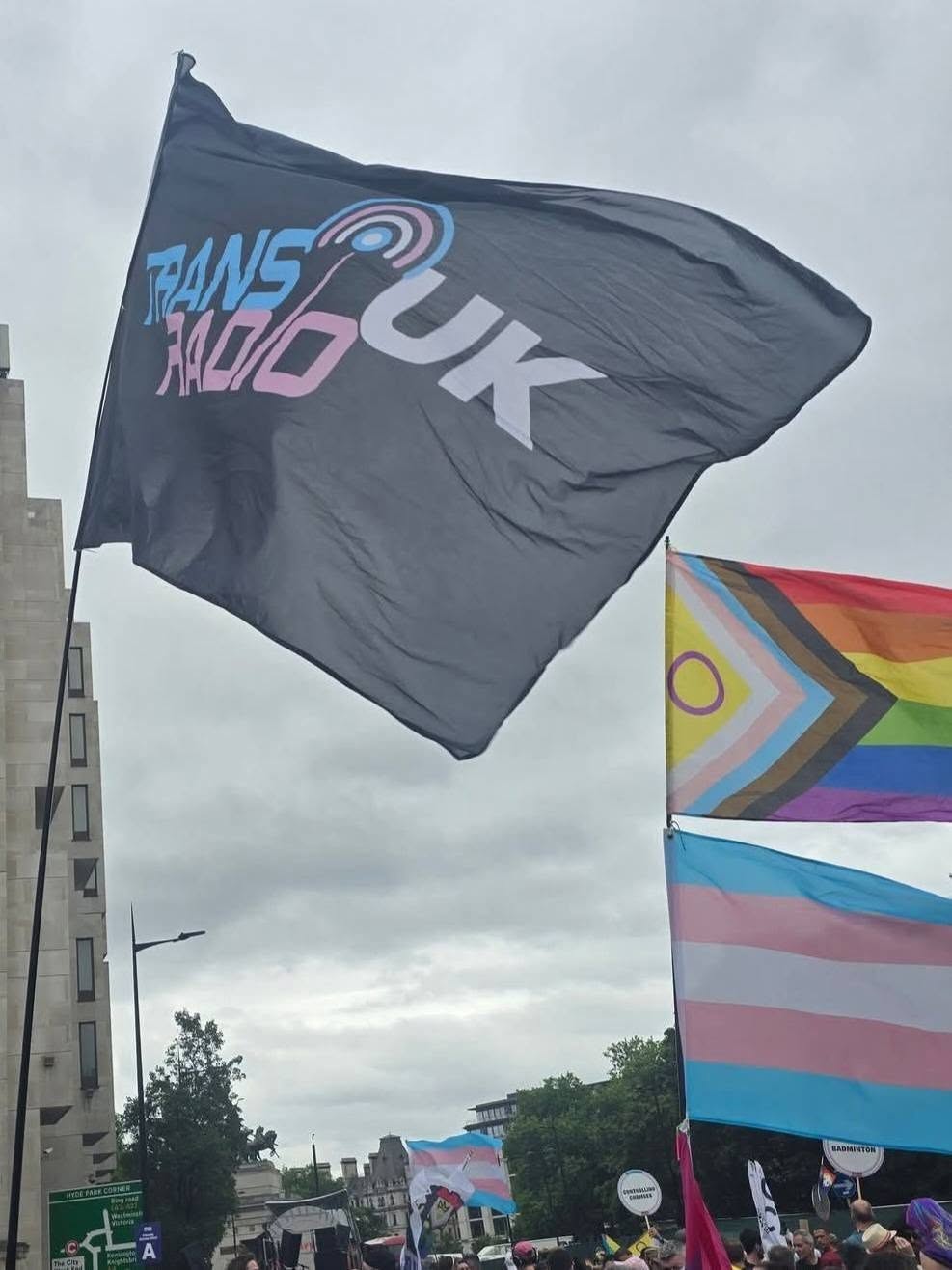 TransPride London 2026
28/07/2026
TransPride London 2026
28/07/2026