Presenter Blog
Abolished Thatcher era anti-LGBT law
Amanda · 22/06/2026

A petition calling for a public inquiry into the long-term impact of the UK’s former anti-LGBTQ+ law, Section 28, has passed an important milestone.
The petition, created by campaigner Steven Jones, has now gathered more than 15,000 signatures, meaning the UK Government is required to issue an official response.
If the petition reaches 100,000 signatures before it closes in September, it will also be considered for a debate in Parliament.
Section 28 was introduced by the government of former Prime Minister Margaret Thatcher in 1988. The legislation prohibited local authorities and schools from what it described as the “promotion of homosexuality”.
Although the wording of the law was widely debated, many teachers, schools and councils interpreted it as meaning they could not openly discuss LGBTQ+ relationships or provide support to LGBTQ+ young people.
Campaigners argue the result was a generation of young people growing up without access to information, support or positive representation, while many LGBTQ+ teachers felt unable to be open about who they were for fear it could affect their careers.
The petition argues that even though Section 28 was eventually repealed — first in Scotland in 2000, and later in England and Wales in 2003 — its effects continued long afterwards.
Supporters say the law created a culture of fear and silence that still affects many LGBTQ+ people today, influencing mental health, confidence, education and the willingness of schools to discuss inclusion.
They believe a public inquiry would help document those experiences, recognise the harm caused and examine whether some of those cultural attitudes still exist today.
Section 28 remains one of the most controversial pieces of LGBTQ+ legislation in modern British history.
For many people who lived through that period, it wasn’t simply a law.
It represented years of feeling invisible, unsupported and unable to speak openly about who they were.
The Government will now formally respond to the petition, while campaigners continue encouraging more people to sign in the hope the issue will eventually be debated in Parliament.
More presenter blog entries
 THE BIG FABULOUS ANTHEMS SHOW
17/08/2026
THE BIG FABULOUS ANTHEMS SHOW
17/08/2026
 The Chair Is No Longer Mine
14/08/2026
The Chair Is No Longer Mine
14/08/2026
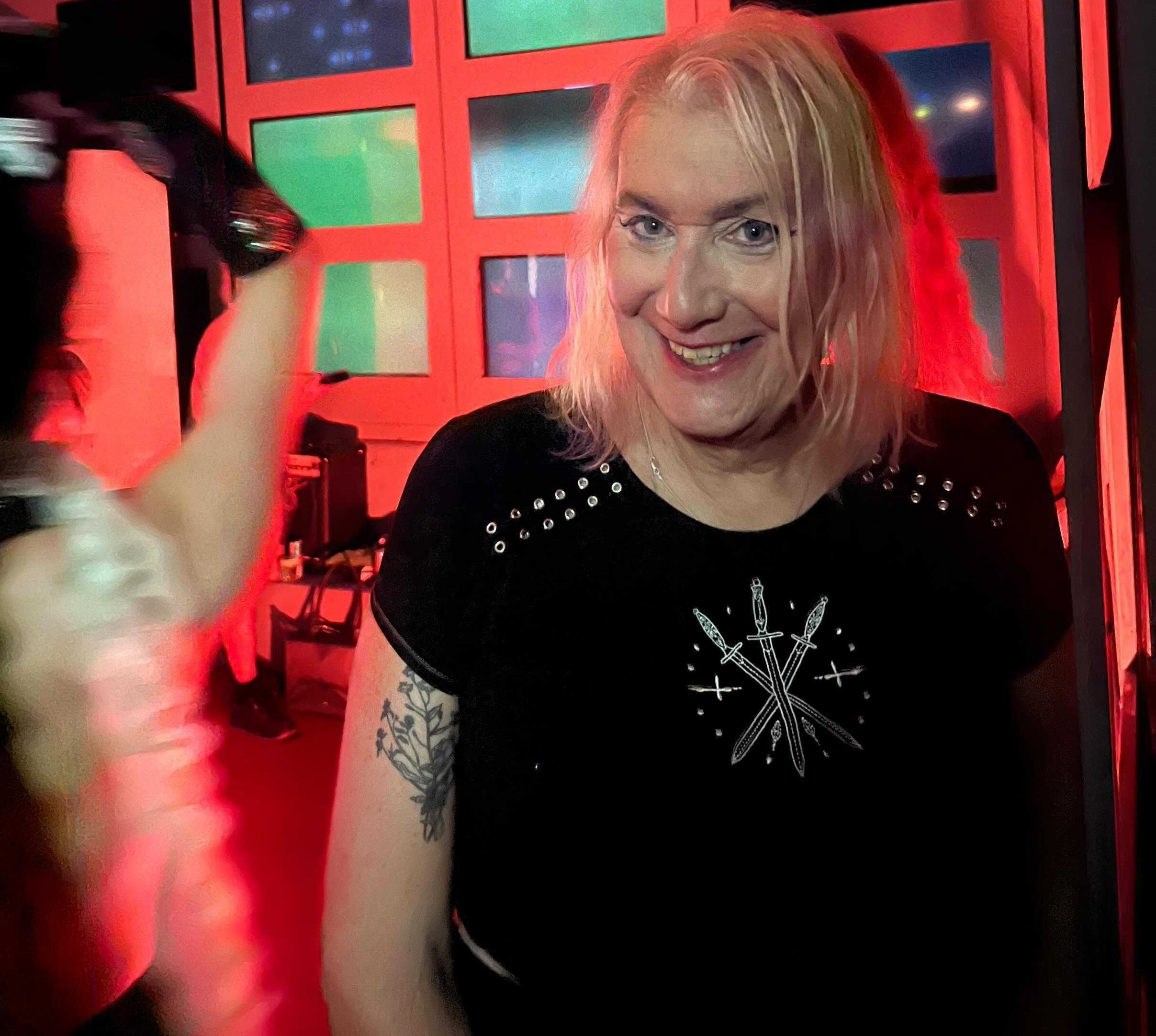 I came out as transgender twice in the same year.
14/08/2026
I came out as transgender twice in the same year.
14/08/2026
 We Are Stronger Together Than We Realise
14/08/2026
We Are Stronger Together Than We Realise
14/08/2026
 Public single-sex spaces
06/08/2026
Public single-sex spaces
06/08/2026
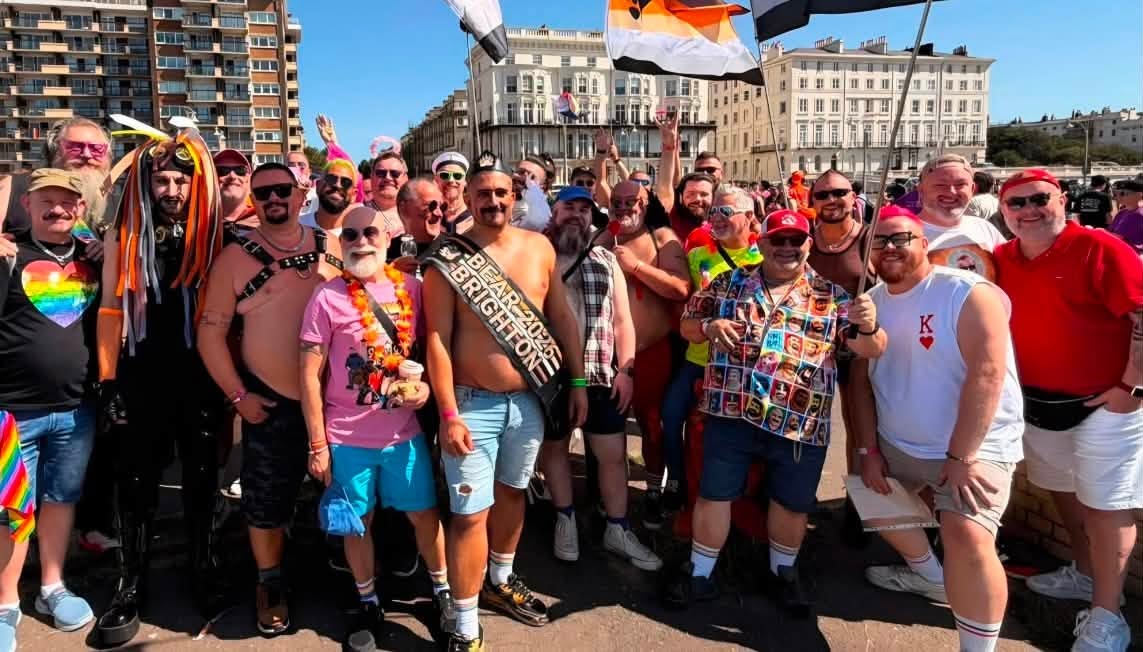 Brighton Pride 2026
03/08/2026
Brighton Pride 2026
03/08/2026
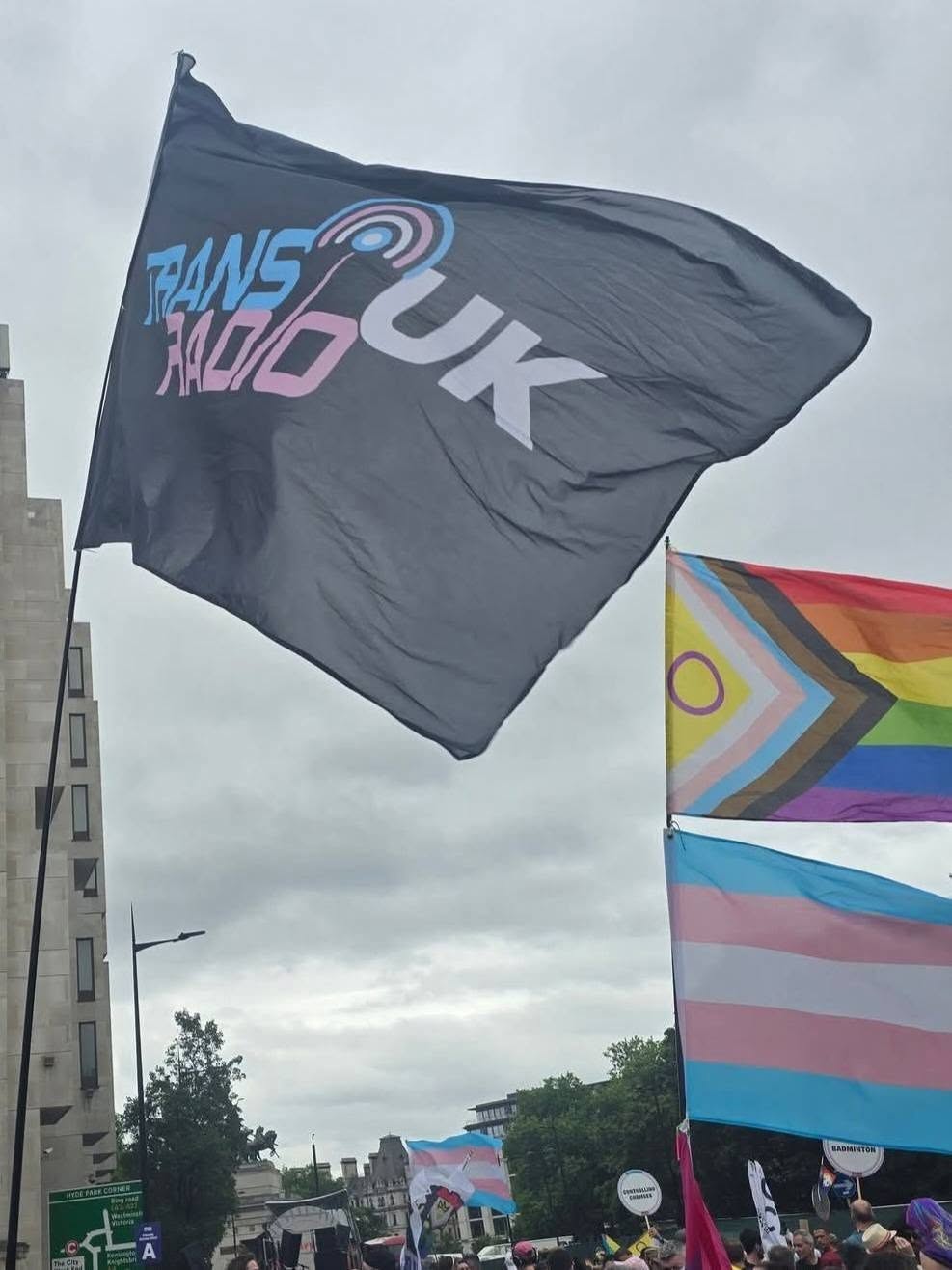 TransPride London 2026
28/07/2026
TransPride London 2026
28/07/2026